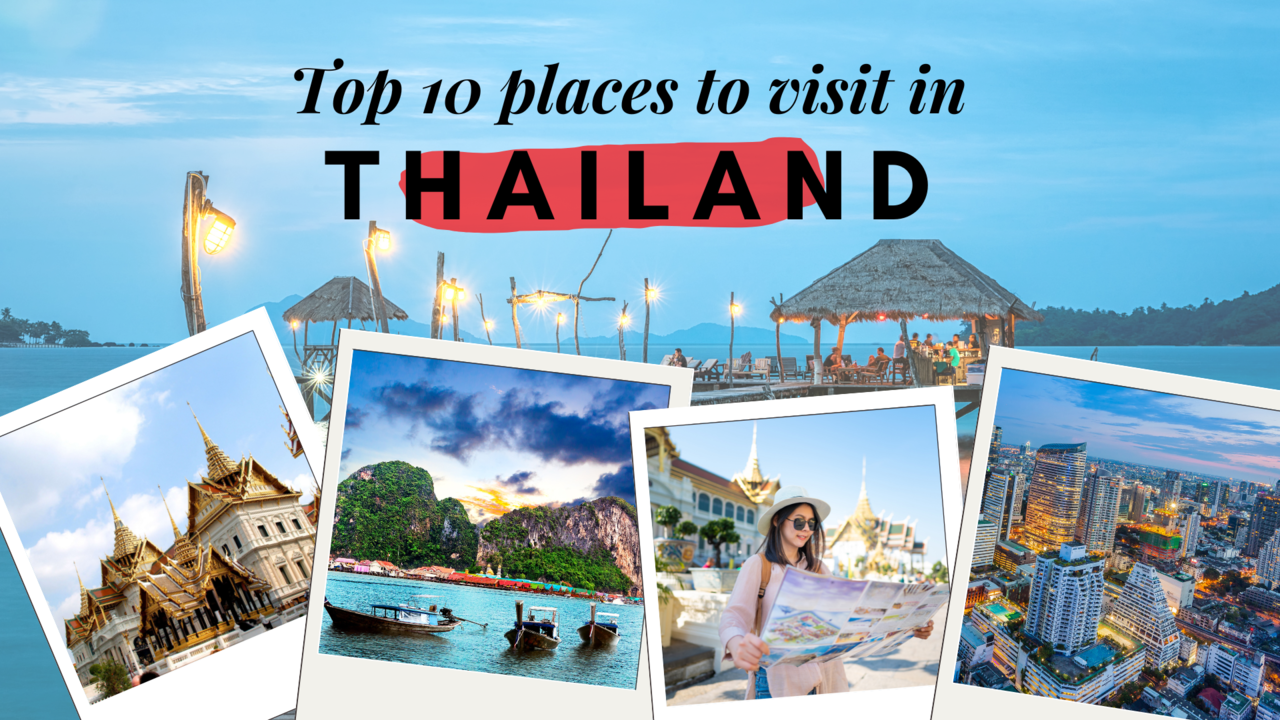
Thailand is a country of the amazing diversity with old temples and the tropical sea. The top ten destinations will be listed here:
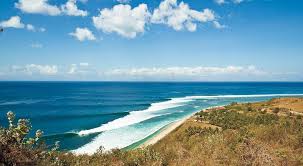
Bangkok – It combines gold-digger temples such as Wat Phra Kaew and Wat Pho with street food that is among the best in the world, markets, and rooftop bars.
Chiang Mai – The cultural centre of Northern Thailand with hundreds of temples, night markets, cooking schools and close to the elephant sanctuary and the hill tribes.
Ayutthaya – UNESCO listed ruins of the old capital form a spooky backdrop of crumbling temples and Chinese headless Buddha statues, only an hour out of Bangkok.
Phuket – Thailand- Thailand largest Island with beach party central Patong and Island-hopping tour, great diving, resorts and coves.
Krabi – Thick dramatic limestone cliffs are made out of turquoise waters, Railay Beach can only be reached by boat and Thailand rock climbing is one of the best.
Koh Samui – This Gulf Island balances between development and natural beauty, with palm-lined shores, luxury spa and eccentrically designed Big Buddha temple.
Pai – A relaxed mountain town in the north having waterfalls, hot springs, bohemian atmosphere and amazing views of the canyons.
Sukhothai – The ruins of the first Thai kingdom are not as dense as Ayutthaya and there are few Buddha statues and temples located within the quiet historical park.
Koh Phi Phi – Notwithstanding the crowds, the waters of the twin islands, its cliffs and Maya bay (famous in the Beach) still shine in its emerald green.
Bangkok: The City of Angels
The giant metropolis of Thailand is the olfactory overload in its optimum. The Grand Palace and Wat Phra Kaew are homes of the holy Emerald Buddha and Wat Pho is close by with a gigantic reclining Buddha that has been coated with gold leaf. The street food in the city is notorious in nature- You will find vendors selling pad thai, mango sticky rice and boat noodles throughout the day until late at night. The Chatuchak Weekend Market is 35-acre and has more than 15,000 stalls, whereas the floating markets of Damnoen Saduak are an insight to the traditional Trading culture. The glossy skyscrapers of Sukhumvit, rooftop bars offering a panoramic view, and contemporary art galleries in sites that were formerly industrialized all show the face of modern Bangkok.
Chiang Mai: The Rose of the North.
Located in the Thai mountainous region of the north, Chiang Mai is a relief after the busy Bangkok. There are more than 300 temples in the old city which is enclosed by ancient moats and walls. Doi Suthep temple is located on the hill at the top of a mountain overlooking the city which can be chosen by climbing 309 steps along staircases which are covered with dragons. Sunday Walking Street is used to make the old city a giant craft market where you will find crafters who make silverware, paintings, and traditional textiles. Chiang Mai is a platform to experience jungle hikes, trips to ethical elephant reserves, and sightseeing hill tribe nations. It has also turned the city into the capital of digital nomads in Thailand, where thousands of cafes and coworking centers accommodating long-term residents can be found.
Ayutthaya: Echoes of Empire
Previously Ayutthaya the glittering capital of the Siamese Kingdom was destroyed by Burmese invaders in 1767. The archaeological ruins are a UNESCO World Heritage today, and chilling in beauty. The well-known Buddha head in the tree roots of Wat Mahathat and the towers of Wat Chaiwatthanaram in Khmer style are reflected in the waters surrounding it at sunset. The large site can be visited by bicycle and dozens of temples and prangs can be visited. The city is an easy day trip to Bangkok, albeit you can receive an overnight stay being able to see the ruins lite up at night and having lesser companies around.
Phuket: Thailand Island Playground.
The largest Island in Thailand has everything to offer but it differs very widely depending on the places. Nightlife, water sports and crowds can be felt in Patong Beach, whereas Kata and Karon beaches offer a more relaxed environment. Old Town is a display of Sino-Portuguese architecture in the form of pastel colored shophouses that have been converted into cafes and boutiques. Phuket is the base point of diving and snorkeling trips to Similan Islands, which is rated as one of the best underwater attractions in Southeast Asia. The limestone karsts that emerge out of the turquoise waters at Phang Nga Bay mean surreal sceneries most notably at James Bond Island. Though Nai Harn is a busy development spread across the coast, there are less busy beaches such as Nai Harn, and there are luxury resorts scattered along lonely coastline.
Krabi: White Cliffs and Blue Sea.
The Krabi province is a destination to provide postcard-like tropical sights. The rock climbers around the world go to Railay Beach, which is reachable by longtail boat because of cliffs surrounding it, has more than 700 bolted routes climbing limestone faces. Railay is a large island with four beaches, each having its own atmosphere, with the town part being Railay West, party-oriented and the Railay hikes, which is a peaceful lagoon reachable only by the East part of Railay. The Phi Phi Island lying nearby, although quite crowded, makes the trip good through excellent snorkeling and diving. The main town is Ao Nang, which has unproblematic access to the Emerald Pool and hot springs in the jungles. Island-hopping tours explore Four Islands, where it is possible to swim in crystal -clear waters and also explore concealed lagoons.
Koh Samui: Tropical Luxury
The second biggest island in Thailand has developed to become a sophisticated destination with a natural appeal. Chaweng Beach is the most developed and has the greatest night life whereas Lamai is a quieter alternative. The stature of the Big Buddha is placed on a little island attached by causeway, which is seen several miles away. The calm beaches such as Choeng Mon and Mae Nam are crowded with luxury resorts which in most cases have exquisite spas. Farther neighboring Koh Phangan (Full Moon Parties destination) and Koh Tao (divers heaven) are an easy ferry ride away. The interior of Samui has waterfalls such as Na muang and hiking hills covered with jungles.
Pai: Mountain Retreat
This small village in the Mae Hong Son province has not lost its allure because it has turned into a backpackers paradise. The way to Chiang Mai has 762 turns, and on each turn, the mountain views are witnessed. Pai is a place that provides a light and easy environment of night markets, reggae bars and yoga studios. The natural attractions are the narrow ridges of the Pai Canyon with the views, natural hot springs where one can take their sunset bath, and the jungle-enclosed falls. Rural areas are recommended to be visited via the motorbike, through rice paddies and other villages of the hill tribes. Though it is very popular Pai maintains that meditative, slow pace that ensures visitors stay longer.
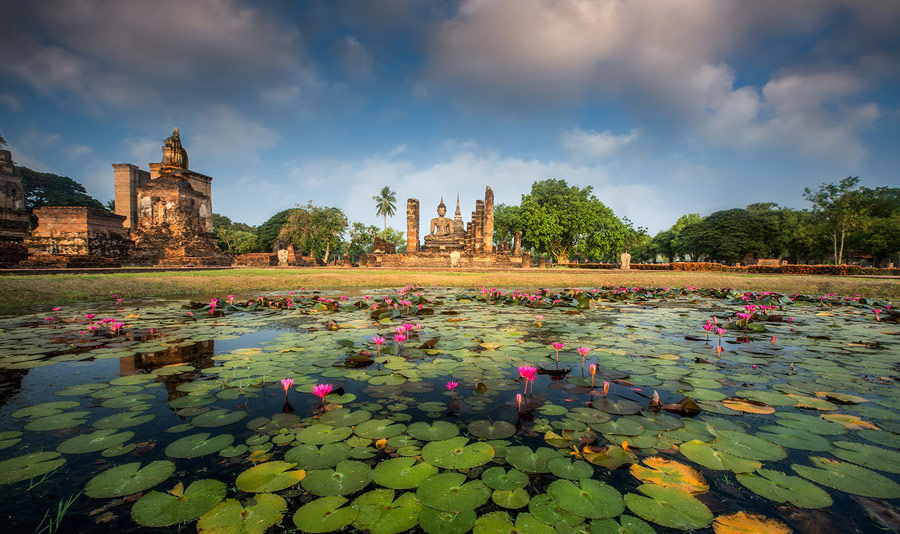
Sukhothai: Dawn of Happiness
The ruins of the initial capital of Thailand Sukhothai built in 1238 cover a historical park that is less crowded than Ayutthaya. Wat sa si and Wat si chum are some of the most beautiful relics of the ancient Thai sculpture due to the presence of the walking Buddha of Wat Sa Si and the giant seated Buddha of Wat Si chum. The park is further subdivided into areas that can best be explored on bicycle with the ponds that have lots of lotus reflecting the temple ruins. Loy Krathong festival at this place is a special magic and thousands of candlelit floats are launched in the waterways of the park. The local town is still very Thai with good local restaurants and not many tourist trappings.
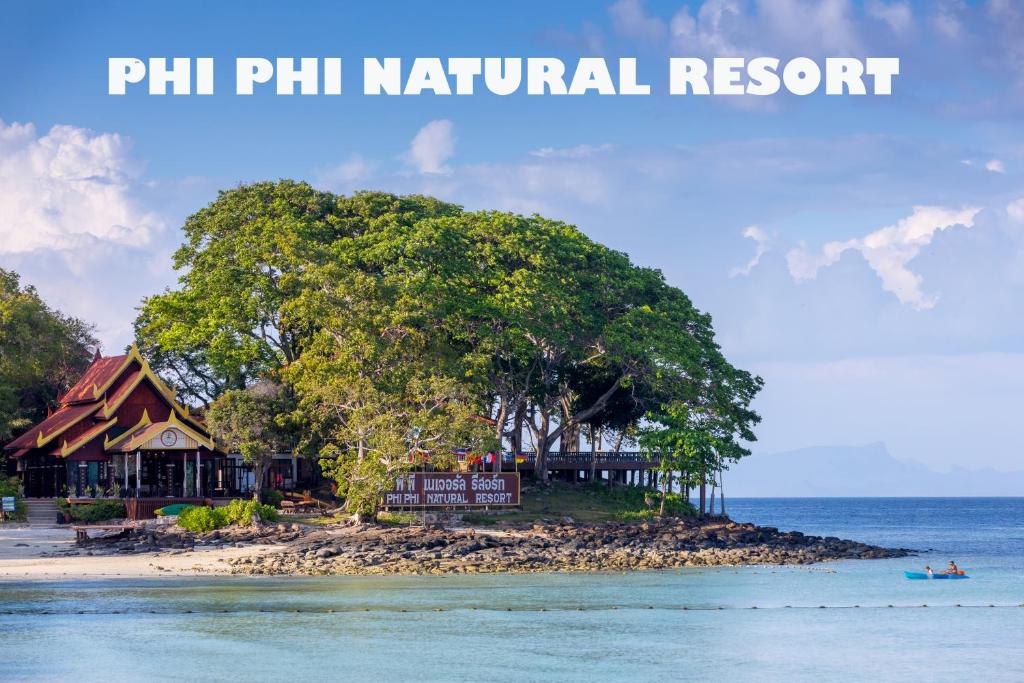
Koh Phi Phi: Natural Drama
The Phi Phi islands are the ones, which survived the tsunami in 2004 and have been rebuilt, but the development is a controversial issue. The Maya Bay, where “The Beach” was a famed movie, occasionally closes down in order to give the coral a chance to heal, but the waters surrounding it are spectacularly transparent. The efforts are compensated by panoramic views of the twin bays in the viewpoint climbs. Snorkeling and diving display the colorful sea life and longtail boats reach inaccessible coves. The tropical island flair is enhanced by the fact that the islands have very few roads, and walking is the primary mode of transport.
Travelling in Thailand: the Sights and Travel tips.
Thailand is a country that charms the visitors by its special blend of ancient culture, fascinating scenery and true hospitality. Knowing what each destination has to offer is that you create a memorable trip in this fascinating nation.
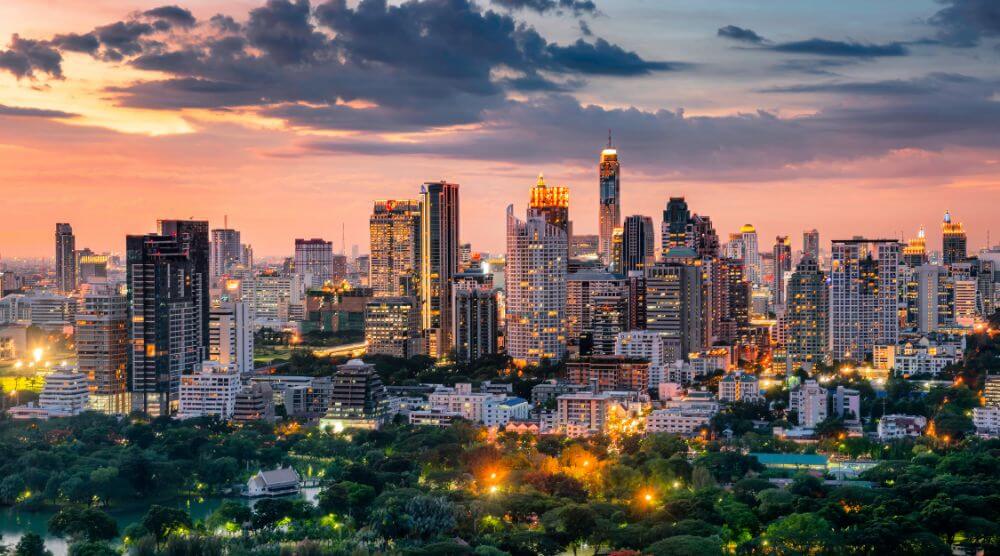
Bangkok: City of Strengths and Customs.
The capital of Thailand is a 24-hour city. However, it is not a one-way sign, as there are plenty of neighborhoods worth exploring, such as the Chinatown, which is filled with gold shops and vendors grilling food on the streets. Surge through traditional stilt homes and floating markets in a longtail boat through the Thonburi canals. Jim Thompson House tells the story of Thai architecture and silk heritage, whereas the Museum of Contemporary Art tells the story of the contemporary creative image of Thailand. Food dominates Bangkok life, eat som tam at street carts, eat at Michelin-starred restaurants with royal Thai food, or eat on a food tour through the hidden alleyways. The BTS Skytrain has simplified it and within minutes you are taken through ancient temples to the ultramodern shopping centers.
Chiang Mai: Mountain Adventure Tour in the Culture.
The northern city of Thailand juggles between the two the tourism and authenticity of the place. Plan the Sunday Walking Street when people of all ages and genders gather with handcrafted products and taste the northern cuisine such as khao soi curry noodles. Enroll in a cooking lesson in an organic farm, where he can learn to pound curry paste, and mix sweet, sour, salty, and spicy. Without riding these giant animals, you can take a look at them during ethical elephant sanctuaries. The nature surrounding is white-water rafting, zip-lining in the jungle canopy and hiking to Hmong and Karen villages. The Yi Peng lantern festival of November dumps the sky with a sea of lights that are magic scenes.
Ayutthaya and Sukhothai: ancient Capitals.
Thailand is narrated in ruins in these UNESCO sites. Ayutthaya is best reached by day tours since their location is near to Bangkok but when you stay overnight, you are able to capture temples in their golden hour environment free of people. Ride a bicycle around the expansive location of the island city and make a visit to the iconic trio of chedis of Wat Phra Si Sanphet. To the north Sukhothai is more peaceable. The ruins are explored after first having a clue at its Ramkhamhaeng National Museum. The lotus gardens and beautiful statues of Buddha form reflective areas. The two sites also have sound and light programs that give history a nightlife.
Southern Islands: Surfer Heaven.
The islands in Thailand are based on various tastes. Practically, it is a beach destination with party beaches on one hand and on the opposite end, luxury hideaways. Diving in the area is very good with the Similan Islands being the centerpiece. Koh Samui appeals to families and honeymooners due to the resort and the serene waters. To the budget traveler and the backpackers, Koh Tao offers cheap lodging and low-priced diving licenses- most travelers come with a few days in mind and end up spending weeks. The alternative to this would be Koh Lanta, which has got long beaches, low night life and relaxed atmosphere. Pristine beaches and the best snorkeling, the Trang islands are not known enough yet.
Krabi Province: Fun and Beauty.
The karst cliffs in Railay make it the natural playground. Rock climbers are involved in routes of all levels of difficulty and kayakers go through the routes and lagoons that can easily be accessible only by water. The beach per se has got beautiful sunsets and bioluminescent planktons at particular seasons. Close to the ocean, the Four Islands tour will visit the Phra Nang Cave Beach where locals make their offerings to a god of fertility and Chicken Island which is named after a unique rocky structure. One can find refreshing jungles and can cannonball into the Emerald Pool and Blue Pool inland with rainforest.
Chiang Rai and the Golden Triangle.
The White Temple is a sufficient reason to visit Chiang Rai all by itself- this modern day masterpiece by artist Chalermchai Kositpipat combines the symbolism of the Buddhist worldview with unfairly surrealistic images. The cobalt-colored murals inside the blue temple make it very bright inside whereas the Baan Dam (Black House) is darker in arts vision. In the border between Thailand and both Laos and Myanmar, the Golden Triangle, there are riverboat tours and the intriguing Hall of Opium museum that outlines the complicated history of the area. The surrounding hillsides have tea plantations that yield very fine oolong, and former Chinese Nationalist settlements, Mae Salong, still possess cultural peculiarities.
Pai: Bohemian Mountain Town
The meandering highway to Pai predetermines this easy place. Hire a scooter to keep yourself busy and sightseeing of waterfalls, hot springs and the breathtaking Pai Canyon. The Chinese Village also gives early morning sceneries of tea plantation and mist filled valleys. Rice paddies are overtaken by bamboo bridges and each evening, the walking street is taken over by crafts, street food and live music. Pai appeals to long-term travelers, digital nomads, and everyone who wants to experience slow life. There are yoga studios, meditation centers and wellness retreats that complement the environment of healing.
Koh Phi Phi: Natural Wonder
There is much crowd and development, but the beauty of Phi Phi is still impressive. Perspective elevations display the hourglass feel of the principal island, with the collections of bays of finest turquoise on either side. Snorkeling tours are in Bamboo Island and Mosquito Island, which are home to tropical fish, in clear waters. The closure of Maya Bay to allow ecological recovery is an indication that Thailand pays environmental issues serious consideration. The island remains foot-traffic because of the absence of roads and there are fire shows on the beach at night. Travel during shoulder season to reduce the number of people and reduce the prices.
Practical Considerations
Thailand has a regional and seasonal climate. The most favorable weather in the country is during the months between November and February where it is cool in the north and dry in the south. Heat arrives in March to May, and monsoon in June to October, however, this entails less tourist traffic, reduced prices and monsoon afternoon showers instead of being raining all the time despite many places.
There is efficient and low-cost transportation. Major destinations are reached fast by domestic flights. Sleeeper trains offer the comfort of doing overnight travel that is romantic and has an old-world experience. Buses go basic, midrange and opulent VIP coaches that have reclining seats and onboard services. Shorter distances make songthaews (shared trucks) and tuk-tuks have a local touch.
Thai food is worth consideration. This also implies that regional differences imply that north khao soi is completely different to the south massaman curry. Seasonal fruits such as mangosteen, rambutan and durian are exposed in markets. Street food in most cases is better than restaurant food and the presence of people crowding in a stand signifies good food.
Thailand gives incentives to those that see more than the tourist circuit, yet even the overdone routes bring in the best experiences. Thai sense of fun in all things permeates travel in Thailand with fun and spontaneity. It is a country where you can find wonders every corner that you turn whether you are temple-hopping, island-hopping or just enjoying pad
thai and sitting in a street cart.