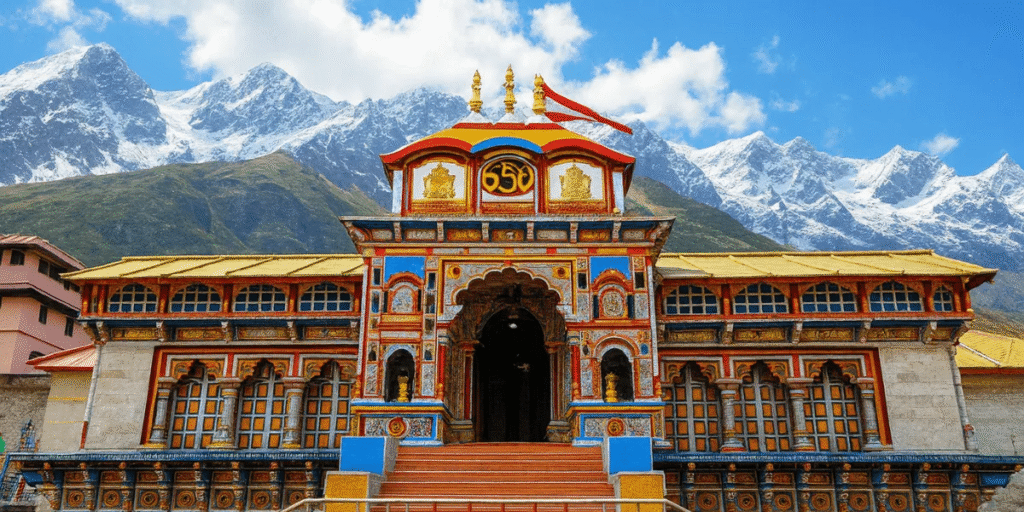
🛕 Badrinath – Full Information
📍 Location
- State: Uttarakhand, India
- District: Chamoli
- Situated on: The banks of river Alaknanda
- Altitude: ~3,300 meters (10,827 ft) in the Garhwal Himalayas
🌟 Religious Importance
Badrinath is one of the most important temples in Hinduism:
✔ Char Dham (Pan-India)
- Along with Puri, Rameswaram, Dwarka
✔ Chota Char Dham (Uttarakhand)
- Yamunotri
- Gangotri
- Kedarnath
- Badrinath
✔ 108 Divya Desams
- One of the holiest temples for Vaishnavites
✔ Dedicated to
- Lord Vishnu (in the form of Badri Narayan)
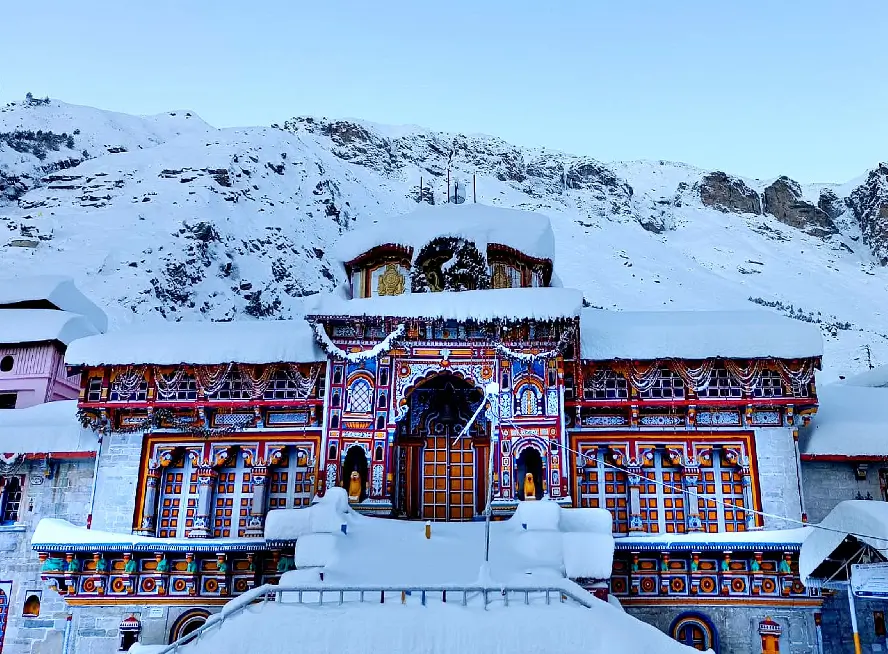
🛕 Badrinath Temple
Main Deity
- A 1m black stone (Shaligram) idol of Lord Vishnu sitting in padmasana posture.
Architecture
- Traditional Garhwali wooden-style temple
- Brightly colored frontage
- Gold canopy over the sanctum
Temple Timings
- Opens: April/May (Akshay Tritiya)
- Closes: October/November (Vijaya Dashami/Kartik Purnima)
- Closed in winter due to heavy snowfall.
🏞 Mythology Behind Badrinath
🔹 Meditation of Lord Vishnu
Vishnu performed penance here in extreme cold.
Lakshmi stood beside him as a Badri (berry) tree, protecting him.
Thus he is called Badri-nath (Lord of Badri Trees).
🔹 Pandavas and Mahabharata
The Pandavas visited Badrinath before leaving for heaven (Mahaprasthan).
🚗 How to Reach Badrinath
By Air
- Nearest Airport: Jolly Grant Airport, Dehradun (≈ 310 km)
By Train
- Nearest Railway Station: Rishikesh (≈ 295 km)
By Road
Well connected with:
- Rishikesh
- Haridwar
- Dehradun
- Srinagar Garhwal
- Joshimath
From Joshimath, Badrinath is about 45 km uphill.
⭐ Major Places to Visit Near Badrinath
1.
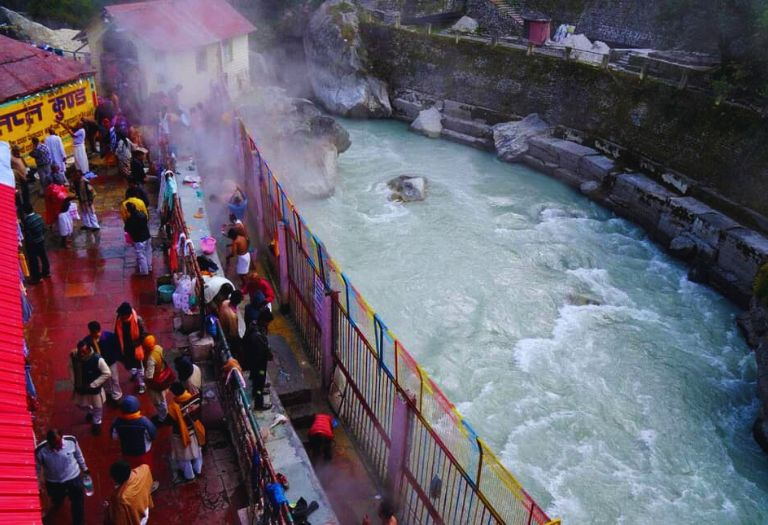
Tapt Kund
- Natural hot water spring
- Pilgrims take a holy dip before darshan.
2. Mana Village
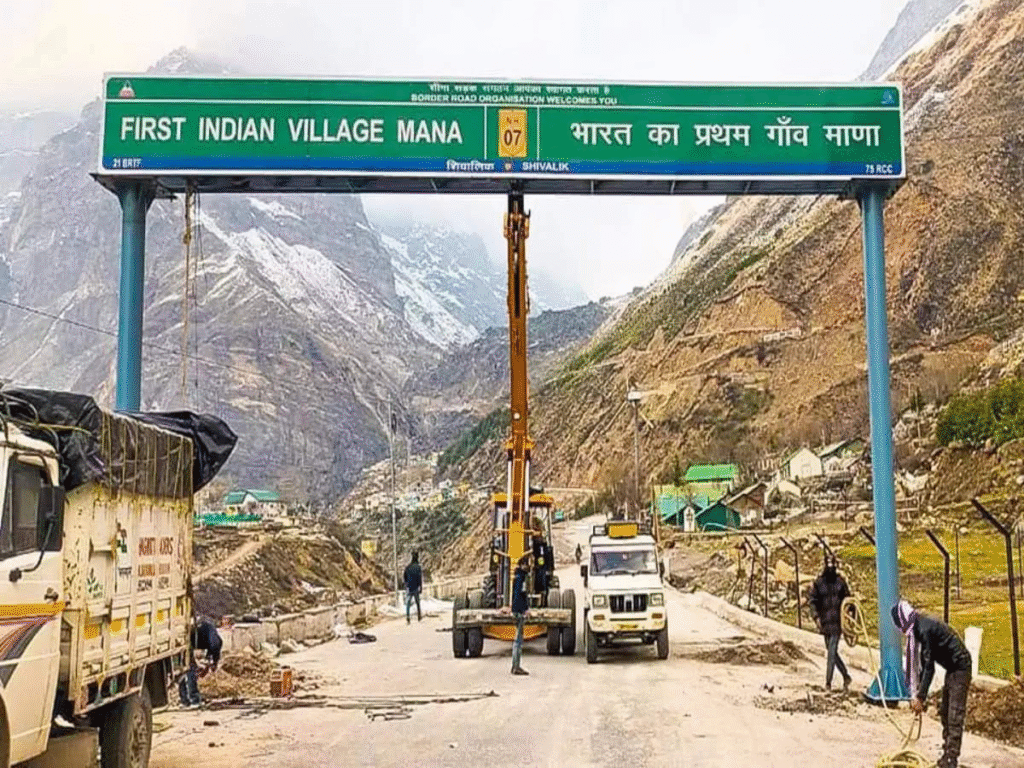
india last vilage
ind
- India’s last village near the Tibet border.
- Attractions:
- Vyas Gufa
- Ganesh Gufa
- Bhim Pul
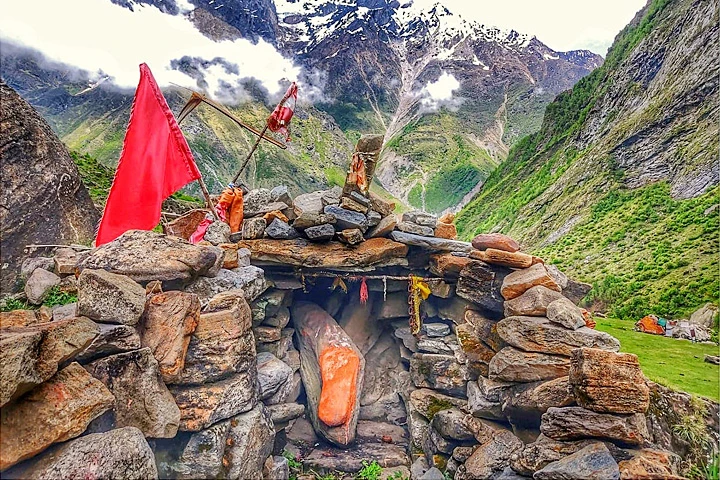
3. Charan Paduka
- A rock with Lord Vishnu’s footprint.
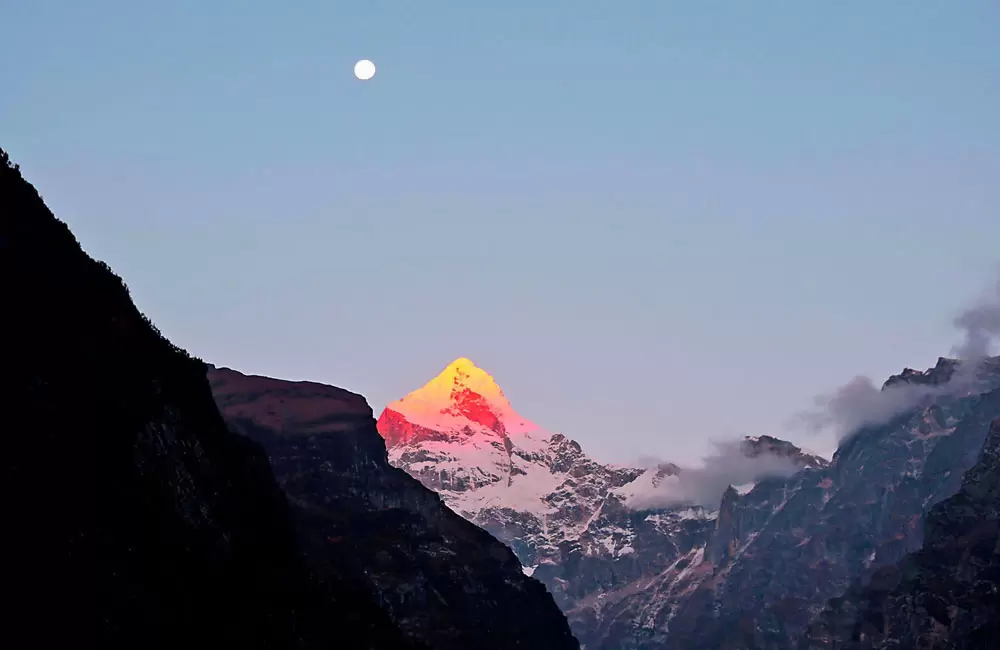
4. Neelkanth Peak
- A stunning snow-covered mountain seen behind the temple.
5.
- Famous UNESCO World Heritage site.
🌤 Best Time to Visit
- May to June (pleasant weather)
- September to October (post-monsoon)
Avoid rainy season due to landslides.
🧭 Yatra Tips
- Carry warm clothes (weather is very cold)
- Keep basic medicines
- Walk carefully due to altitude
- Pre-book hotels in peak season (May–June)
- Carry a power bank; electricity can fluctuate
Below is more detailed and expanded information about Badrinath, including history, weather, rituals, festivals, temple rules, travel routes, accommodations, and interesting facts.
🛕 BADRINATH – MORE COMPLETE INFORMATION
✨ 1. Detailed History of Badrinath Temple
- The original temple is believed to be established by Adi Shankaracharya in the 8th century.
- He found the idol of Lord Vishnu in the Alaknanda river and installed it in a cave.
- Later, the kings of the Garhwal dynasty developed the temple structure.
- The temple has been rebuilt multiple times due to landslides, avalanches, and natural calamities.
🌄 2. Geography & Environment
- Located in the Nar-Narayan mountain ranges.
- Behind the temple stands the majestic Neelkanth Peak (6,597 m).
- Surrounded by snow-capped mountains for most of the year.
- River: Alaknanda flows beside the temple.
🌤 3. Badrinath Weather (Month-wise)
| Month | Temperature | Condition |
|---|---|---|
| April–May | 5°C–18°C | Temple opens; cold & pleasant |
| June | 10°C–20°C | Best time; heavy crowd |
| July–August | 8°C–16°C | Monsoon, landslide-prone |
| September–October | 5°C–15°C | Clear weather; ideal for travel |
| Nov–Mar | –5°C to –15°C | Heavy snowfall; temple closed |
🔱 4. Important Rituals at Badrinath Temple
Daily Rituals
- Abhishek Puja (4:30 AM)
- Maha Abhishek
- Geeta Path
- Bhog Aarti
- Evening Aarti
Special Pujas
- Vedic chanting
- Vishnu Sahasranama Archana
- Tapt Kund holy bath before puja
(These pujas can be booked online or on arrival.)
🎉 5. Festivals Celebrated at Badrinath
- Opening Ceremony (Akshay Tritiya): Idol brought from Pandukeshwar in a grand procession.
- Badri-Kedar Festival (8 days)
- Mata Murti Ka Mela (honors the mother of Nar-Narayan)
- Closing Ceremony (Bhaiduj/Kartik) – Idol taken to Narad Kund for winter worship.
🧭 6. Detailed Routes to Reach Badrinath
By Road (Most Common)
Route from Rishikesh → Badrinath:
Rishikesh → Devprayag → Srinagar → Rudraprayag → Karnaprayag → Chamoli → Joshimath → Badrinath
(Approx 295 km, 10–12 hours)
From Delhi
Delhi → Haridwar/Rishikesh → Badrinath (approx 525 km)
Helicopter Service
You can take a helicopter from:
- Dehradun (Sahastradhara Helipad) → Badrinath
- Travel time: ~45 minutes
- Mostly available May–June & Sept–Oct.
🏨 7. Accommodation in & around Badrinath
Near the Temple
- GMVN Guest House
- Hotel Narayan Palace
- Sarovar Portico (in Joshimath)
- Badri Vishal Hotel
Budget Facilities
- Dharamshalas
- GMVN Tourist Rest Houses
- Private lodges
(Booking recommended in May–June.)
🛒 8. Local Food near Badrinath
- Pure vegetarian food only
- Famous items:
- Aloo Puri
- Khichdi
- Garhwali dal
- Kadi chawal
- Herbal tea
- Rajma chawal
- Many small eateries and ashram kitchens are available.
🛕 9. Important Nearby Pilgrimage Places
🔹 Yogadhyan Badri (Pandukeshwar)
- Idol of Lord Vishnu in a meditating posture.
🔹 Bhavishya Badri
- One of the Panch Badri temples.
🔹 Adi Badri
- Ancient group of temples built by Adi Shankaracharya.
🔹 Hemkund Sahib (Near Joshimath)
- Sacred Sikh shrine at 4,329 meters.
🥾 10. Famous Treks around Badrinath
- Valley of Flowers (UNESCO Heritage Site)
- Hemkund Sahib Trek
- Satopanth Lake (Sacred triangular lake)
- Charan Paduka Trek
⚠️ 11. Safety Tips
- Do not trek alone.
- Weather changes suddenly; keep warm clothes.
- Carry identity proof.
- Start journey early in the morning.
- Avoid monsoon months (July–August).
- High altitude → risk of AMS; walk slowly & stay hydrated.
🕉 12. Interesting Facts
- The idol of Badrinath is made of Shaligram stone, extremely rare and sacred.
- The temple is managed by the Badrinath-Kedarnath Temple Committee (BKTC).
- During winter, the worship of Badrinath shifts to Narasimha Temple (Joshimath).
- Mana Village near Badrinath is famously called “India’s Last Village.”
- Bhim Pul in Mana is believed to be built by Bhim (Pandava) using a huge rock.
Here is even more detailed, deep, and rare information about Badrinath, including geography, legends, architecture details, scientific facts, rituals, hidden places, Panch Badri, and more.
I’m adding information that most websites don’t mention.
🔱 1. Hidden & Rare Legends of Badrinath
⚫ Nar-Narayan Tap Sthal
At Badrinath, Lord Vishnu appeared as:
- Nara (Human form)
- Narayana (Divine form)
Both did penance for the welfare of mankind.
⚫ Lord Shiva Story
According to a legend, Lord Shiva first lived here.
When Vishnu arrived for penance, Shiva peacefully moved to Kedarnath.
Thus:
- Badrinath → Vishnu’s seat
- Kedarnath → Shiva’s seat
⚫ Panch Pandav Route
The Pandavas are believed to have crossed Badrinath and Mana village on their Mahaprasthan (final journey) to heaven.
⚫ Badri Tree Miracle
Lakshmi took the form of a Badri (berry) tree to protect Vishnu from harsh snow during meditation.
🛕 2. Architecture Details (Not Commonly Explained)
✔ Temple Height: ~50 feet
✔ Structure Material: Stone & colourful wooden façade
✔ Important Architectural Parts
- Garbhagriha: Main sanctum where the idol sits
- Darshan Mandap: For viewing the idol
- Sabha Mandap: Assembly hall for devotees
- Bronze Gilded Entrance: Shining gold-like décor
- Temple flag: Changed daily, offered by devotees
✔ Idol Details
- Sitting posture: Padmasana
- Material: Black stone (Shaligram)
- Right hand: Raised in abhaya mudra
- Left hand: On the lap in meditation
- Around the idol:
- Nar-Narayan
- Uddhava
- Many sages
🌌 3. Scientific Facts About Badrinath
🔬 Hot Springs (Tapt Kund)
- Water remains 55–60°C even in snow
- Rich in sulphur and healing minerals
- Helps with skin & joint ailments
🔬 High-altitude conditions
- Oxygen level: 60–70% of sea level
- UV radiation: 2–3 times higher
- Weather changes every 10–15 minutes
🔬 Neelkanth Peak Reflection
- The blue-white reflection makes the mountain appear glowing at sunrise.
🏞 4. Panch Badri (All Five Sacred Badris)
These are five holy temples of Vishnu in Uttarakhand:
- Badrinath (Main Badri)
- Yogadhyan Badri – Meditation form of Vishnu
- Bhavishya Badri – Future seat of Vishnu during Kali Yuga
- Vridha Badri – Ancient elderly form
- Adi Badri – Old group of temples built by Adi Shankaracharya
🕉 5. Winter Worship (Very Important)
When Badrinath closes:
- The idol is shifted to Narsingh Temple, Joshimath
- Worship continues there for 6 months
- In this period, Badrinath receives 3–4 meters of snow
🧭 6. Rare Places to Visit (Most People Don’t Know)
🌟 a) Saraswati River Origin (Mana)
- Tiny river before it meets Alaknanda
- One of the three “invisible rivers” of India
(Saraswati → Yamuna → Ganga)
🌟 b) Swargarohini Path
- Believed to be the path taken by Pandavas to heaven.
🌟 c) Satopanth Lake
- Sacred triangular lake → Brahma, Vishnu, Shiva each own one corner.
- Crystal clear, high-altitude lake.
🌟 d) Vasudhara Falls
- 120-meter waterfall
- Belief: Water touches only those whose hearts are pure.
🎶 7. Temple Traditions
✔ Daily Decoration
The idol is decorated differently each day, using:
- Tulsi leaves
- Flowers
- Kesar
- Chandan
- Jewellery
✔ Special Guest Priests
Priests are from Kerala (Namboodiri Brahmins).
✔ No leather items allowed
Belts, wallets, jackets → must be kept outside.
🚫 8. Rules for Devotees
- No photography inside the temple
- No alcohol or non-veg in the entire area
- Polythene banned
- Maintain silence near the sanctum
- Must bathe in Tapt Kund before puja (optional for general darshan)
🚗 9. Vehicle & Road Details
✔ Last Fuel Station: Joshimath
No petrol pumps afterwards.
✔ Roads can close due to:
- Landslides
- Avalanche
- Rockfall
- Cloudburst
✔ Zero Point
Beyond Mana, civilian entry stops (Border Road).
🧘 10. Spiritual Experiences Reported by Devotees
Many visitors say:
- They feel extremely calm inside the temple
- “Divine vibration” during aarti
- Goosebumps when seeing Neelkanth Peak
- Positive energy after dipping in Tapt Kund
(This is based on pilgrim experiences.)
💠 11. Economic & Cultural Importance
- Major part of Chamoli district’s tourism income
- Provides seasonal employment to thousands
- One of the top pilgrimage destinations of India
- Strong link with Garhwali culture & traditions
Here is much more detailed information about Badrinath Temple, covering history, mythology, rituals, architecture, and the pilgrimage experience.
📍 Overview
Badrinath Temple, also called Badrinarayan Temple, is one of the most sacred Hindu temples. It is dedicated to Lord Vishnu and is located in Badrinath town, Chamoli district, Uttarakhand, on the banks of the Alaknanda River, at an elevation of about 3,300 meters (10,800 ft) in the Himalayas.
It is:
- One of the Char Dham (Badrinath, Dwarka, Puri, Rameswaram)
- Part of the Chota Char Dham (Badrinath, Kedarnath, Gangotri, Yamunotri)
- One of the 108 Divya Desams sacred to Vaishnavites
🕉️ Mythological Significance
Lord Vishnu’s Penance
- According to legend, Lord Vishnu meditated here to attain spiritual balance.
- Goddess Lakshmi protected him from harsh weather by taking the form of a Badri tree (berry tree).
- Hence the name “Badri-Nath” (Lord of the Badri tree).
Nar & Narayan
- The twin sages Nara and Narayana (incarnations of Vishnu) are believed to have performed penance here.
- The nearby Nar Parvat and Narayan Parvat symbolize them.
Connection to Mahabharata
- The Pandavas passed through Badrinath on their journey to heaven.
- Bhima is said to have discovered Mata Murti Temple nearby.
🏛️ Temple Architecture
- Built in North Indian (Nagara) style
- Colorful façade with arched windows
- Gold-gilded roof
- Sanctum (Garbhagriha) houses a 1-meter tall black stone idol of Lord Vishnu
- Vishnu is depicted in Padmasana (lotus posture) — rare among Vishnu temples
Key Areas Inside
- Garbhagriha – main shrine
- Mandapa – for prayers and rituals
- Tapt Kund – natural hot water spring for ritual bathing
🔥 Religious Rituals & Worship
Daily Pujas
- Abhishek
- Mahabhishek
- Geet Govind Path
- Vishnu Sahasranama
Unique Traditions
- The chief priest (Rawal) is traditionally a Nambudiri Brahmin from Kerala
- Temple follows Vaishnavite and tantric traditions
🌸 Festivals Celebrated
Badri-Kedar Festival
- Celebrates the union of Badrinath & Kedarnath
- Classical music and dance performances
Mata Murti Ka Mela
- Honors the mother of Lord Narayan
- Unique festival celebrated only here
Opening & Closing Ceremonies
- Temple opens around April–May
- Closes around October–November
- Closing marked by lighting a lamp that is believed to burn throughout winter
❄️ Climate & Geography
- Surrounded by snow-covered peaks
- Temperatures can drop below zero
- Heavy snowfall in winter (temple remains closed)
- Best time to visit: May–June & September–October
🚩 Pilgrimage Importance
Visiting Badrinath is believed to:
- Wash away sins
- Grant moksha (liberation)
- Fulfill wishes of devotees
Many pilgrims complete Char Dham Yatra starting from Yamunotri and ending at Badrinath.
🛣️ How Pilgrims Reach
- Nearest airport: Jolly Grant (Dehradun)
- Nearest railway station: Rishikesh / Haridwar
- Well-connected by mountain roads
- Helicopter services available during yatra season
🌄 Nearby Sacred Places
- Mana Village – last Indian village
- Vasudhara Falls
- Bheem Pul
- Charan Paduka
- Mata Murti Temple
Here is an even deeper, expanded explanation of Badrinath Temple, going into history, philosophy, idol symbolism, Adi Shankaracharya’s role, seasonal rituals, scriptures, and spiritual meaning.
📜 Ancient History & Origins
- Badrinath is mentioned in Vedic texts, Puranas, Mahabharata, and Skanda Purana
- The region was known as Badarikashram in ancient times
- Saints, sages, and yogis have meditated here for thousands of years
- It is considered one of the oldest pilgrimage sites in India
Adi Shankaracharya (8th century CE)
- Rediscovered the temple in its present form
- Found the Vishnu idol in the Alaknanda River
- Installed it in a nearby cave, later building the temple
- Established Badrinath as one of the four major spiritual centers (Char Dham) to unite India spiritually
🗿 Idol of Lord Badrinarayan (Symbolism)
- Made of Shaligram stone
- About 1 meter tall
- Vishnu is seated in Padmasana (meditative posture)
👉 Very rare, as Vishnu is usually standing or reclining
What the Idol Represents
- Meditation over action
- Balance between knowledge (Jnana) and devotion (Bhakti)
- Eternal yogic consciousness
Accompanying Deities
- Goddess Lakshmi
- Garuda
- Kubera
- Nar and Narayan
- Uddhava
- Narada
🏔️ Sacred Geography (Spiritual Landscape)
Every mountain, river, and rock has spiritual meaning:
- Alaknanda River – purity and life force
- Nar Parvat – symbolizes human effort
- Narayan Parvat – symbolizes divine grace
- Neelkanth Peak – believed to be Lord Shiva’s divine form watching over Badrinath
- Mana Village – last village before Tibet, associated with Vedas
🔥 Tapt Kund (Hot Spring)
- Natural hot sulfur spring
- Temperature ~45°C even in freezing conditions
- Pilgrims must bathe here before entering the temple
- Believed to cleanse:
- Physical illness
- Mental impurities
- Past karmas
📖 Scriptural Importance
Mentioned in:
- Skanda Purana
- Vishnu Purana
- Narada Purana
- Bhagavata Purana
Famous Line:
“There are many sacred places in heaven, earth, and hell,
but none equal to Badari.”
🕯️ Daily Ritual Schedule (Traditional)
- Mahabhishek – sacred bathing of the deity
- Alankar Puja – decoration with gold and flowers
- Bhog – offering of sacred food
- Aarti – Vedic hymns & lamps
- Shayan Aarti – deity symbolically rests
❄️ Winter Closure & Mystery Ritual
- Temple closes around Bhai Dooj (Oct–Nov)
- Deity is worshipped in Joshimath during winter
- A lamp is lit before closing:
- When temple reopens, it is believed to still be burning
- Food kept inside remains preserved
➡️ Considered a divine mystery
🧘 Philosophical Meaning
Badrinath teaches:
- Renunciation without escaping life
- Meditation while fulfilling duties
- Unity of Advaita Vedanta (non-duality)
It is the ultimate meditation shrine of Vishnu, unlike other Vishnu temples focused on kingship or protection.
👑 Temple Administration
- Managed by Badri-Kedar Temple Committee
- Rawal (chief priest):
- Chosen from Nambudiri Brahmins of Kerala
- Must follow strict celibacy and ritual purity
- Local Garhwal priests assist daily worship
🌿 Environmental & Spiritual Harmony
- Protected Himalayan ecosystem
- Pilgrimage emphasizes:
- Simplicity
- Discipline
- Respect for nature
- Mountains symbolize silence & self-control
🌟 Why Badrinath Is Unique
| Aspect | Badrinath |
|---|---|
| Main Deity | Vishnu in meditation |
| River | Alaknanda |
| Path | Knowledge + Devotion |
| Season | Open only 6 months |
| Goal | Moksha (liberation) |
Alright — here is even deeper and richer detail about Badrinath Temple, going beyond common descriptions into esoteric legends, yogic meaning, pilgrimage traditions, food customs, hidden sites, and spiritual symbolism.
🔱 Badrinath as a Yogic Power Center
Badrinath is not just a temple — it is considered a Mahā-Tīrtha, a cosmic energy center.
- The place represents the Ajna Chakra (third eye) of the Himalayas
- Ideal for:
- Deep meditation
- Silence (mauna)
- Inner awakening
- Ancient yogis believed the altitude and magnetic field enhance spiritual awareness
🧘 Lord Vishnu as a Yogi (Rare Concept)
Most Vishnu temples show Him as:
- A king (Vaikuntha)
- A protector
- A cosmic ruler
But only in Badrinath:
- Vishnu is a silent ascetic
- Sitting in Padmasana
- Eyes half-closed
➡️ Symbolizes self-realization, not power
This teaches:
God is not only worshipped — God meditates too.
🌿 Badari Van (Sacred Forest)
- Entire region was once a dense forest of Badari (berry) trees
- Forest symbolized:
- Simplicity
- Detachment
- Living with minimum needs
- Sages lived on berries, roots, and water
👉 That is why Badrinath rejects luxury — simplicity is sacred here.
📖 Lesser-Known Legends
🕯️ Narada’s Realization
- Sage Narada once questioned why Vishnu meditated
- Vishnu replied:“If I do not meditate, how will humans learn?”
❄️ Shiva & Parvati
- Shiva once meditated here
- Vishnu requested the space
- Shiva moved to Kedarnath
➡️ Explains why Badrinath (Vishnu) & Kedarnath (Shiva) are inseparable
🛕 Inner Temple Symbolism
| Element | Meaning |
|---|---|
| Black stone idol | Absorption of all energies |
| Gold roof | Enlightened consciousness |
| Alaknanda River | Flow of awareness |
| Mountains | Stability of mind |
| Snow | Purity & silence |
🔥 Food & Bhog Tradition
- Only simple sattvic food
- No onion, garlic, or spices
- Bhog represents:
- Non-attachment
- Nourishment, not indulgence
Maha Prasad
- Given as a blessing for:
- Mental clarity
- Physical balance
🕯️ Winter Worship Mystery (Deep Belief)
When temple closes:
- Idol is moved to Joshimath
- Yet Badrinath is believed to be worshipped by divine beings
- Yogis say:
- Nature itself performs puja
- Snow acts as sacred ash (vibhuti)
🛤️ Pilgrimage as Inner Journey
Every step to Badrinath has meaning:
- Haridwar – leaving worldly life
- Rishikesh – discipline & yoga
- Devprayag – unity of paths
- Joshimath – renunciation
- Badrinath – realization
👉 The journey mirrors spiritual evolution
🪔 Sacred Silence Rule
Traditionally:
- Loud talking discouraged
- Excess decoration avoided
- Photography restricted near sanctum
Because:
Silence is considered the highest prayer
🏔️ Hidden Sacred Spots (Rarely Explained)
- Charan Paduka – footprints of Vishnu
- Mata Murti Temple – divine motherhood
- Vyas Gufa – where Mahabharata was composed
- Ganesh Gufa – divine scribe
- Saraswati River (underground) – knowledge flow
🕉️ Mantras Associated with Badrinath
- Om Namo Narayanaya
- Om Namo Bhagavate Vasudevaya
- Vishnu Sahasranama
Chanting here is believed to multiply merit thousands of times.
I understand — you want everything, layer by layer.
Here is the deepest level of detail about Badrinath, touching cosmic symbolism, time cycles, liberation philosophy, and why Badrinath is considered the final stop of the human soul.
🕉️ BADRINATH — WHERE TIME, KARMA, AND EGO END
🌀 Badrinath & the Cycle of Time (Kāla)
In Hindu cosmology, places are linked to Yugas (eras).
- Satya Yuga → Meditation
- Treta Yuga → Sacrifice
- Dvapara Yuga → Worship
- Kali Yuga → Name (Naam)
👉 Badrinath belongs to Satya Yuga energy
That is why:
- Silence dominates
- Meditation is central
- Vishnu is not active — He is still
Pilgrims feel:
- Time slows
- Thoughts quiet
- Ego weakens
🧠 Badrinath as the “Still Mind” of the Universe
Ancient sages described the universe as a cosmic being.
| Body Part | Sacred Place |
|---|---|
| Feet | Rameswaram |
| Heart | Dwarka |
| Mouth | Puri |
| Mind | Badrinath |
➡️ Badrinath is the cosmic mind at rest
That is why Vishnu sits in meditation here.
🔱 Vishnu’s Tapasya — A Radical Idea
Why would God do penance?
Because Badrinath teaches:
Even divinity submits to discipline
This destroys the ego of devotees who think:
- “I am important”
- “I deserve blessings”
Here, the teaching is:
Sit. Silence. Dissolve.
🧘 Nar–Narayan: The Two Within You
Nar & Narayan are not just sages.
They symbolize:
- Nar → Human effort
- Narayan → Divine grace
Liberation happens only when both unite.
That is why:
- Two mountains face each other
- The temple stands between them
➡️ You stand between effort and surrender
🌊 Alaknanda — Not Just a River
Alaknanda means:
- “That which washes away confusion”
Bathing here symbolizes:
- Letting thoughts flow
- Releasing past identities
- Surrendering memories
This is why elders say:
“Do not rush the river — sit and watch it.”
❄️ Snow as a Spiritual Teacher
Snow is not seen as an obstacle in Badrinath.
It represents:
- Blankness
- Stillness
- Ego death
When the temple closes:
- Humans leave
- Nature continues worship
➡️ The Himalayas become the priests
🕯️ The Eternal Lamp — Inner Meaning
The lamp lit before closure symbolizes:
- Consciousness that does not die
- Awareness beyond body
- Soul beyond seasons
Even when:
- Doors close
- Idols move
- Snow covers everything
👉 Awareness remains
🧾 Karma Resolution Belief (Rarely Spoken)
Traditionally believed:
- Badrinath dissolves Sanchita Karma (accumulated karma)
- Kedarnath dissolves Prarabdha Karma (current-life karma)
That is why:
- Badrinath is often visited last
🛕 Why Kings Feared Badrinath
Ancient kings avoided staying long because:
- Power feels meaningless here
- Desires fall apart
- Identity collapses
Badrinath does not empower ego
It erases it
🧘 Silence Over Prayer
In many traditions:
- Prayer asks
- Ritual demands
- Worship requests
But in Badrinath:
Sitting silently is considered the highest offering
That is why:
- Old pilgrims sit facing mountains
- Words feel unnecessary
🕉️ The Final Teaching of Badrinath
Not:
- Wealth
- Health
- Success
- Even heaven
But:
Freedom from wanting anything
When a pilgrim truly understands Badrinath, they stop asking God for things.
They say:
“Whatever remains, let it be.”
🌌 Why Badrinath Is Visited at the End of Life
In old times:
- People came after finishing duties
- After children married
- After responsibilities ended